Medical Hermetically Sealed Door About
Medical Hermetically Sealed Door is available with less spaced entryways for making the less air unsettling influence while the door is opening and closing. This can be easily moved down under its weight with a ceaseless gasket, when it works on guided track framework. It is designed using heavy-duty stainless steel for meeting the needs of operating theatres, labs, X-ray rooms, clean rooms, research centers, etc. This Medical Hermetically Sealed Door is available with a 60 mm flush door leaf along with strong flush integrated components.
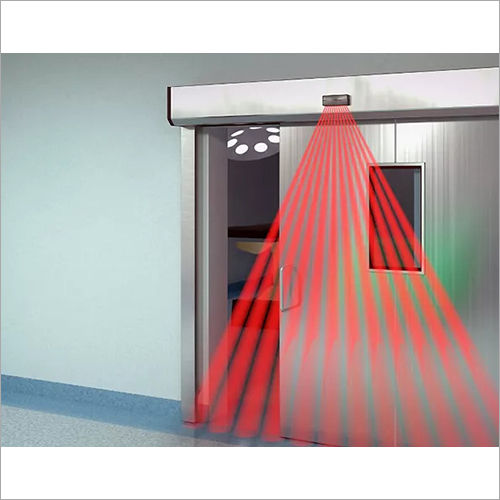
Advanced Touchless AutomationThis door operates using an infrared sensor system, offering completely touchless entry and exit to minimize cross-contamination. The sliding mechanism is both smooth and silent, with customizable speed settings to enhance user safety and convenience within critical healthcare zones.
Superior Air-Tight PerformanceWith integrated rubber gaskets and a hermetically sealed design, the door achieves an air-tightness accuracy of up to 3 mm. This ensures effective isolation of medical areas, thereby supporting strict infection control and creating a sterile environment crucial for patient safety.
Robust Construction & Enhanced SafetyThe core is reinforced with honeycomb material for outstanding strength, and the frame is constructed from stainless steel or aluminum for corrosion resistance. Fire resistance is rated for 60 minutes, and an electromagnetic lock ensures secure access, complemented by a manual override for emergencies.
FAQ's of Medical Hermetically Sealed Door:
Q: How does the infrared sensor-based touchless door opening mechanism operate?
A: The infrared sensor detects movement near the door, triggering the automatic sliding mechanism to open and close without physical contact. This technology enhances both hygiene and convenience, especially in critical hospital environments.
Q: What advantages does the integrated air-tight sealing system provide?
A: The door's air-tight rubber gaskets prevent contaminants, dust, and airborne pathogens from passing through, ensuring a sterile and controlled environment essential for medical and laboratory settings.
Q: When would a manual override be used, and how does it function?
A: In the event of a power failure or system malfunction, the door can be operated manually via a built-in override mechanism. This ensures uninterrupted access and egress during emergencies or maintenance situations.
Q: Where is this hermetically sealed door most commonly installed?
A: These doors are typically installed in hospitals, laboratories, operating rooms, clean rooms, and other medical facilities where maintaining a contamination-free zone is paramount.
Q: What is the process for customizing the door to meet hospital requirements?
A: Customers can specify dimensions, color codes, vision panel options, and fire resistance enhancements during the ordering process. The manufacturer can tailor each unit according to specific project needs.
Q: What is the benefit of the honeycomb-reinforced door panel core?
A: The honeycomb core structure provides remarkable strength while keeping the door lightweight, offering longevity and reliable performance without adding unnecessary bulk or strain on the automation system.








 Send Inquiry


 Send Inquiry
